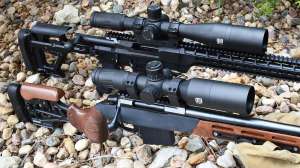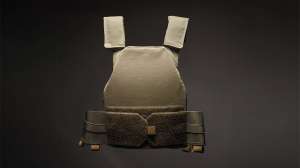

If you walked into any tactical store 15 years ago, you knew exactly who it was trying to sell to.
The walls were lined with plate carriers, chest rigs, and enough MOLLE webbing to outfit a small infantry unit. Mannequins wore cargo pants in military camo or olive drab, with eight visible pockets and boots that looked ready for an imminent deployment.
The customer profile was equally predictable. Military and ex-military personnel, law enforcement officers, as well as a dedicated subset of civilian enthusiasts who didn’t mind looking overtly “tactical.”
Fast forward to today and that picture has changed — dramatically. The modern tactical consumer is more diverse and more style-conscious than ever before. She may be a real estate agent who carries concealed every day. He might be a tech professional who wants a discreet backpack that can secure a laptop and a compact pistol without looking like he’s headed to a range day. Many of these prospective customers are professionals — executives, medical workers, contractors, entrepreneurs — who value preparedness but don’t want to advertise it.
The tactical market hasn’t shrunk — it’s matured, and retailers who recognize this shift are finding multiple growth opportunities in categories that barely existed a decade ago.
From Overt Tactical to Covert Capability
The most visible shift in the tactical space is an aesthetic one.
There was a time when tactical meant visible utility. MOLLE webbing signaled “I’m ready for duty!” Cargo pants telegraphed functionality. Military-style camo and earth tones dominated. Everything looked like it belonged on a military operation.
Today’s consumer still wants the same types of utility, but they want it integrated, not announced.
Concealed carry apparel is a prime example. Early CCW clothing often screamed “gun owner.” Oversized shirts, obvious fanny packs with a fast-access back, visible tactical logos, or bulky pocket designs gave away the purpose. Now, brands are producing holster-fitted jackets, structured blazers, casual flannels, leggings, and even athletic wear with integrated holster systems or reinforced waistbands. The carry capability is invisible unless you know what you’re looking for.
Backpacks have followed the same trajectory. Instead of laser-cut panels and rows of webbing, today’s tactical-adjacent bags often resemble commuter or travel packs. Clean lines. Minimal external branding. Hidden compartments with quick-access zippers or hook-and-loop. Built-in holsters. They’re built to carry defensive tools, medical kits and tech gear — all without looking like a range bag. Today’s consumers want products that perform under stress but that blend in to everyday life.
For retailers, that means rethinking what “tactical inventory” really means.
A Broader Customer Base
One of the most important changes in the tactical space is who is buying.
The civilian market now represents a significant portion of tactical consumers, and within that group, women are one of the fastest-growing segments. Female buyers are not just purchasing for spouses or family members anymore — they are buying for themselves, taking training classes, obtaining concealed carry permits, and looking for gear that looks feminine but can also hide a Walther PDP, a Smith & Wesson J-Frame or a Glock 17. In other words, they are building everyday carry setups tailored to their lives — but they are not interested in ill-fitting men’s cargo pants or scaled-down versions of oversized jackets.
These women want performance fabrics that move well and look good. They want discreet carry options that work with professional attire. They want handbags with built-in holster compartments that don’t look like range gear. They want leggings with reinforced waistbands that support a subcompact without sagging. Retailers who ignore this segment are leaving a ton of revenue on the table.
Professionals are another growing segment in the tactical marketplace. Attorneys, business owners, healthcare workers, and corporate managers are increasingly interested in tactical preparedness — but they operate in environments where overt tactical gear is often socially and professionally unaccepted or at least impractical. A store that only showcases plate carriers and cargo pants may unintentionally signal that it isn’t the place for them.
Remember: The recently evolved tactical consumer wants options that fit seamlessly into boardrooms, classrooms and coffee shops.
The Rise of Functional Fashion
“Tactical” and “fashion” used to feel like opposing concepts. Not anymore.
Performance fabrics have made it possible to produce garments that look tailored and modern while offering stretch, moisture management, abrasion resistance, and concealed carry capability.
Retailers should consider expanding categories like:
· Concealed-carry jackets and blazers
· Discreet-carry handbags and messenger bags
· Stretch denim/fashionable pants with reinforced belt loops that can support a carry belt
· Athletic wear with carry-compatible waistbands
· Professional-looking dress wear and outerwear with hidden compartments
The key to all of the above is subtlety. A well-designed CCW blazer that allows a quick draw without printing, like the 5.11 Founder’s Jacket, can be a game-changer for a professional. A commuter backpack with a hidden firearm compartment and a dedicated laptop sleeve appeals to both the prepared executive and the coffee-shop-frequenting Silicon Valley programmer. Slim-cut jeans with durable stitching and pocket geometry that supports EDC tools speak to younger buyers who prioritize style as much as function.
When merchandising these products, presentation matters. Instead of grouping them in a “tactical” corner surrounded by camo netting, consider integrating them into lifestyle-themed displays. Show how they work in real-world contexts — urban commuting, travel, office environments, or casual weekends.
The evolved tactical buyer is often buying identity as much as utility. Help them see themselves in the product and they will be more likely to buy the product.
Everyday Carry: The New Gateway Category
Everyday carry (EDC) has become one of the most powerful bridges between traditional tactical gear and mainstream consumers.
EDC today, unless you work at a gun store or range, isn’t about looking tactical. In fact, it’s exactly the opposite.
This category resonates with civilians and professionals because it feels practical and responsible rather than aggressive. It also opens the door to a wide range of accessory sales.
Popular EDC “companion” categories include:
· High-quality folding knives with clean, modern designs. Many buyers prefer minimalist profiles with premium steel and pocket clips that disappear into slacks or jeans.
· Compact tactical flashlights that double as daily-use tools. USB-C rechargeable models with streamlined bodies appeal to tech-savvy consumers who value convenience.
· Slim wallets with integrated RFID blocking and durable materials. These appeal to the professional demographic and can be merchandised alongside other daily essentials.
· Discreet medical kits designed for backpacks or vehicles. Compact trauma kits or IFAKs in low-profile pouches appeal to prepared civilians who want readiness without visual bulk.
· Pens designed for durability and reliability — often marketed as tactical pens but increasingly styled for office environments.
When curated properly, an EDC display can become a conversation starter. It allows you to engage customers who may not initially identify as “tactical” but who value or at least have been thinking about their preparedness — and once they trust your store for their everyday gear, they are more likely to explore higher-end categories.
Women-Centered Design Is Not a Trend
One of the most common mistakes retailers make is treating women’s tactical products as a niche.
It’s not a niche. It’s an entire growth market.
Women are driving demand for concealed-carry leggings, purpose-built handbags with holster compartments, fitted outerwear with accessible draw paths, and compact firearms that integrate smoothly into daily routines.
Training participation among women continues to grow, and that drives demand for gear that fits properly and performs reliably. If your women’s section consists of a few pink-accented products tucked into a corner, it’s time to rethink your strategy.
Consider hosting in-store events tailored to female consumers — EDC workshops, concealed-carry fashion nights, or safety seminars featuring female instructors. Create displays that feel welcoming and intentional rather than token. You’d also be smart to have women run these events. If you don’t have women working at your store, find someone to partner with.
Product selection should prioritize fit, function, and aesthetics — not color stereotypes.
When female customers feel seen and respected in your store, they buy.
Merchandising for the Modern Tactical Buyer
The evolved tactical consumer shops differently than the traditional gear enthusiast.
They research online. They compare materials. They read reviews. They value brand transparency and design integrity. Your in-store experience should reflect that sophistication.
Instead of stacking shelves with dozens of similar-looking tactical pants, curate fewer, higher-quality options that reflect modern cut, style and materials. Use signage that helps tell the story behind the product — fabric technology, concealed-carry engineering, and durability testing.
Lighting and layout matter. A bright, organized retail space with classy imagery feels more accessible than a dimly-lit bunker aesthetic.
Language matters, too. Shift from military jargon to practical benefit-driven descriptions. Instead of emphasizing “operator-grade,” emphasize comfort during long days, carry with the kids, discreet access, and versatility.
Remember, the goal here is not to abandon your core customer base. It’s to expand it.
Bridging Utility and Identity
People are bombarded today with stories of rioting, looting, protests that turn violent…and, of course, your average everyday thuggery. Preparedness is no longer confined to a single demographic. In uncertain times, more people begin to value self-reliance and capability — but they want those traits to be easily integrated into modern life.
The tactical retailer who thrives in the next decade will be the one who understands that utility and style are not mutually exclusive.
You can still carry plate carriers and duty gear. After all, law enforcement and military customers remain vital to your business’s continued success — but alongside them, build a curated selection of discreet carry apparel for professionals, functional fashion for women, modern commuter/computer bags with hidden compartments, and a handful of premium EDC tools and you’ll be surprised what your new cadre of customers resembles.
The modern tactical buyer doesn’t necessarily want to look “tactical.” They want to look professional while remaining capable.
For retailers willing to broaden their vision, the future of tactical is confidence, discretion, and everyday readiness woven seamlessly into modern life.