
As we’re in a new political era, now is the time to rethink how your shop is positioned for growth. Diversification remains a cornerstone of profitability and success in our industry, and for those not yet offering gunsmithing services, this may be the perfect time to expand. Gunsmithing and armorer work are not only logical extensions of your shop’s service offerings, but they also open new avenues to tap into your customers’ spending potential. With careful planning, these services can become a cornerstone of profitability in your business.
Defining the Craft: Gunsmithing vs. Armorer Work
Before delving into the logistics of adding these services, it’s important to understand what gunsmithing is — and is not. Too often, the terms “gunsmithing” and “armorer work” are used interchangeably, yet they represent distinct disciplines. Simplified, armorer work focuses on installing and replacing parts, while gunsmithing often involves creating, customizing and performing intricate repairs on firearms. In simplified terms, armorers install parts and gunsmiths make parts.
While all gunsmiths are trained in armorer skills, not all armorers have the technical expertise of a gunsmith. Both skill sets can bring substantial value to your shop, and understanding their differences will help you decide how to integrate them into your offerings effectively.
The Outsourcing Option
If space, resources or funding are currently limited, outsourcing your gunsmithing and armorer work can still allow you to offer these services to your customers without the overhead of an in-house operation. Building relationships with the best gunsmiths and armorers in the country is critical for this approach to succeed. When I say the “best,” I mean nationally recognized professionals with proven reputations for quality work — not the local hobbyist or up-and-comer.
Why aim for the top? First, the highest-caliber professionals deliver consistent, high-quality results, ensuring customer satisfaction and protecting your reputation. Second, their name recognition adds value to the firearm. A gun customized or repaired by a top-tier gunsmith can often increase in value, whereas work done by an unknown or less skilled individual could devalue it.
Partnering with established professionals also ensures accountability. If something goes wrong, a reputable gunsmith will stand behind their work and make it right. This protects you from being stuck in the middle of a dispute between an unhappy customer and a subcontractor unwilling to correct their mistakes.
Outsourcing is also a great solution for shops venturing into gunsmithing services for the first time. It allows you to test the waters without committing to the full investment of in-house facilities and staffing. As you gain experience and gauge customer demand, you can decide whether to bring these services in-house or continue with outsourcing as a long-term strategy.
Location and Setup
If you’re ready to commit to offering gunsmithing or armorer services in-house, your first priority is determining where and how these services will operate within your shop. Profitability hinges on efficiency, and efficiency depends on smart use of space and resources.
The workspace for these services should be separated from public areas of the shop. Not only does this help protect your gunsmith or armorer from constant interruptions, but it also prevents customers from lingering to chat, asking to watch the process or otherwise monopolizing time better spent on productive work. As the saying goes, “Gunsmithing is like making sausages — people are better off not seeing how it’s done.”
For armorer work, the setup is relatively simple. A sturdy workbench, a vise and an assortment of tools and jigs are usually sufficient. Gunsmithing, however, requires a larger and more complex workspace. Depending on the scope of services you plan to offer, you may need milling machines, lathes, drill presses and chemical tanks, all of which take up significant space. Additionally, many of these machines require upgraded electrical systems, such as 220V or three-phase power.
If you’re constrained by space or budget, consider starting with armorer work, which requires minimal infrastructure and gradually expanding into full gunsmithing as resources allow.
Starting Simple With Armorer Work
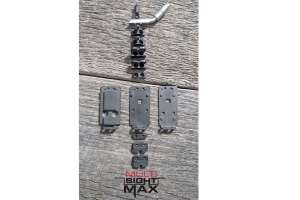
For many shops, armorer work is the easiest and most logical entry point into this space. Common services like installing night sights, mounting scopes and replacing parts on AR-15s are in high demand and require minimal technical training to execute competently.
Training in armorer work is widely accessible. Manufacturer-led courses, hands-on workshops and even online resources like YouTube can provide the foundational skills you need to get started. That said, practice is critical. Test your skills on shop-owned firearms before working on customer guns, and never attempt a repair or installation you’re not confident you can handle.
To build customer trust, focus on delivering exceptional service. Set realistic expectations for turnaround times — if you think a job will take two days, quote five and deliver in three. Consistently exceeding expectations will enhance your shop’s reputation and encourage repeat business.
Armorer services also complement your sales operation. Offering in-house installations makes it easier to sell accessories, as customers prefer the convenience of one-stop shopping. Don’t hesitate to charge for these services, even if the customer purchases the accessory from your shop. Convenience is a value-add that customers are often willing to pay for.
The Leap to Gunsmithing
If you’re ready to take the next step into full gunsmithing, hiring the right person is key. Avoid the temptation to hire an unqualified candidate to save money — it will cost you far more in mistakes and dissatisfied customers. Seek out certified gunsmiths with credentials from reputable training programs, preferably those with hands-on, in-person instruction. Online training can provide a foundation, but there’s no substitute for real-world experience under the guidance of seasoned professionals.
Once you’ve hired a qualified gunsmith, let them guide you in making decisions about tools and equipment. Experienced professionals often have strong preferences for specific brands or types of machinery, and involving them in the setup process ensures they have the tools they need to excel.
Start small, offering services your gunsmith feels confident performing, and expand your offerings as demand grows. Specializing in a high-demand niche, such as precision rifle builds or custom 1911 work, can help establish your shop as a go-to destination for a specific service. Many of the most successful gunsmiths have built their reputations by excelling in one area.
Pricing Your Services
Once you’ve established your operation, the next step is determining how much to charge for your services. Treat your gunsmithing or armorer work as a business within your business, with its own budget, revenue goals and profitability metrics. Understanding your operational costs is essential for setting prices that cover expenses while remaining competitive and profitable.
Research your market to ensure you are setting competitive prices. Beyond your own research of local competitors, Brownell’s, a trusted supplier in the industry, publishes an annual “Shop Price Survey” that provides insights into what gunsmiths are charging for various services. You can use this resource as a rate benchmark, but be sure to set prices that you think reflect the value of your work and allow your business to succeed. Customers are paying for your expertise, convenience and the peace of mind that comes with professional service.
In addition to setting fair prices, create comprehensive work order documents that clearly outline the terms of each job. Include details such as turnaround times, fees for abandoned firearms and storage policies. Photograph firearms before and after work to document their condition and protect your shop from potential disputes.
Keys to Long-Term Success
No matter which path you choose — in-house services, outsourcing or a combination of both — several principles are essential for success:
- Charge for Your Time: Your skills and expertise have value. Don’t underprice your services out of fear of losing customers. Fair pricing builds trust and ensures profitability.
- Know Your Limits: If a project is outside your expertise, don’t hesitate to decline. Attempting work you’re not qualified for can damage your reputation and cost you more in the long run.
- Communicate Clearly: Keep customers informed at every stage of the process, from initial consultations to updates on progress. Clear communication builds trust and minimizes misunderstandings.
By offering armorer and gunsmithing services, you can create lasting customer loyalty and tap into new revenue streams. Whether you choose to start small, outsource or invest in a full-scale operation, the key is delivering consistent quality and exceptional service. With careful planning and a commitment to quality, these services can turn your gunsmithing efforts into a true “money-smithing” venture.